10 Chic Ideas for Combining Your Living and Dining Rooms: Stylish & Practical Solutions
10 Chic Ideas for Combining Your Living and Dining Rooms
Combining your living and dining rooms is more than just an interior design trend—it’s a smart, stylish way to make the most of your living space. Whether you’re working with a small apartment or a large home, an open living-dining area can create an inviting and multifunctional space. From minimalist designs to space-saving furniture solutions, we’ll explore 10 chic ways to combine your living and dining rooms seamlessly, ensuring you can balance both form and function.
Why Combine Your Living and Dining Rooms?
Open-concept living and dining rooms are ideal for modern homes, offering versatility and a sense of spaciousness. Whether you’re hosting a family gathering, a dinner party, or simply enjoying a quiet evening, combining your living and dining areas allows for better flow and social interaction. Additionally, with smart design choices, you can make the most out of smaller spaces without sacrificing style.
Key Benefits:
- Enhanced Social Interaction: Combining spaces encourages conversation and connection, especially during meals or gatherings.
- Maximized Space: Open concepts create a feeling of more space, particularly in smaller homes or apartments.
- Flexible Functionality: You can adapt the space to suit various activities, from working from home to hosting guests.
Now, let’s dive into 10 chic ideas to help you combine your living and dining areas effectively.
1. Open Concept with Minimalist Dividers
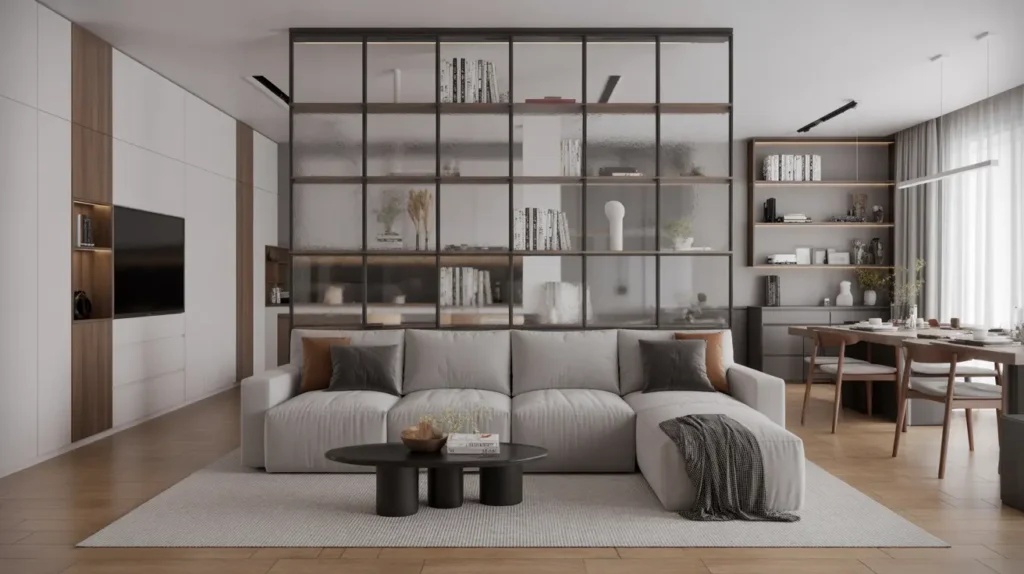
One of the most effective ways to combine your living and dining spaces is by using minimalist dividers. These can be open shelves, glass panels, or low partition walls that separate the two areas while maintaining an open flow. This technique works wonders in larger spaces where you want to create distinction without closing off the areas completely.
Tip: Consider using shelving units that double as storage, adding both style and functionality to the space.
2. Use Multi-Functional Furniture
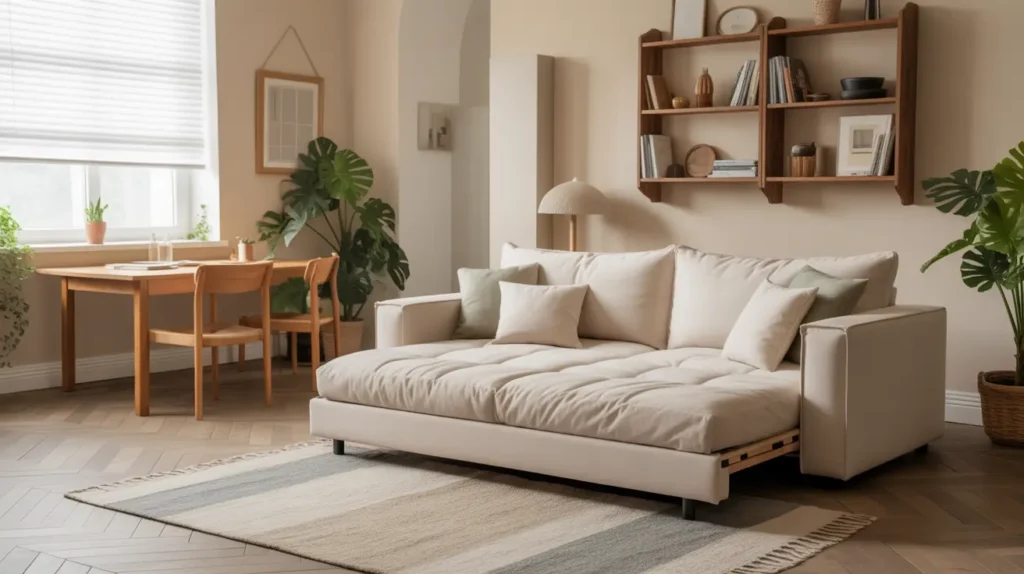
Multi-functional furniture is a game-changer when combining living and dining areas. Look for pieces that can serve double duty, such as a dining table that doubles as a workspace or a sofa that converts into a guest bed. These space-saving options are perfect for smaller homes or apartments where maximizing functionality is key.
Example: A storage ottoman can function as both extra seating and hidden storage, keeping the space clutter-free.
3. Define Spaces with Rugs and Lighting
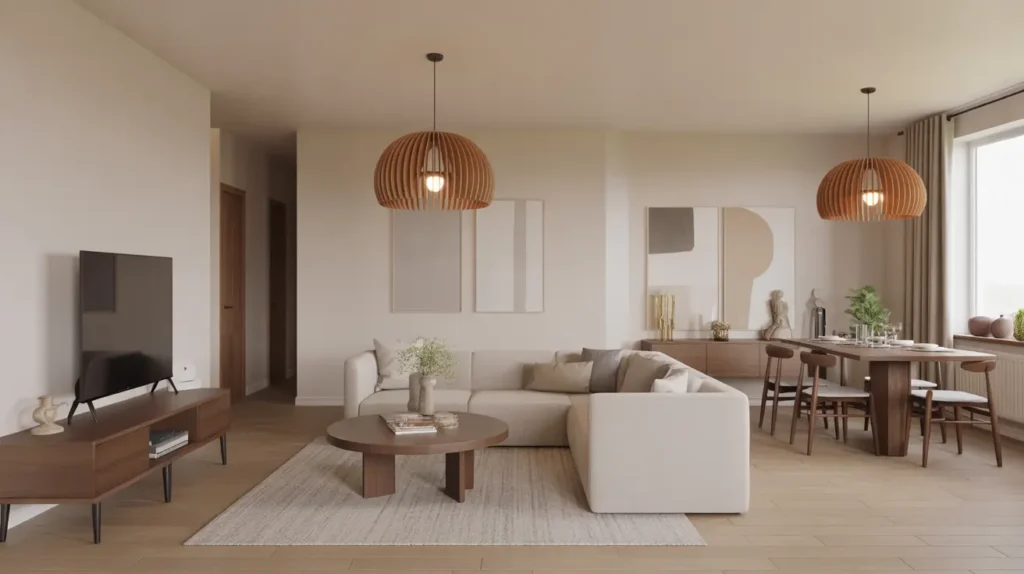
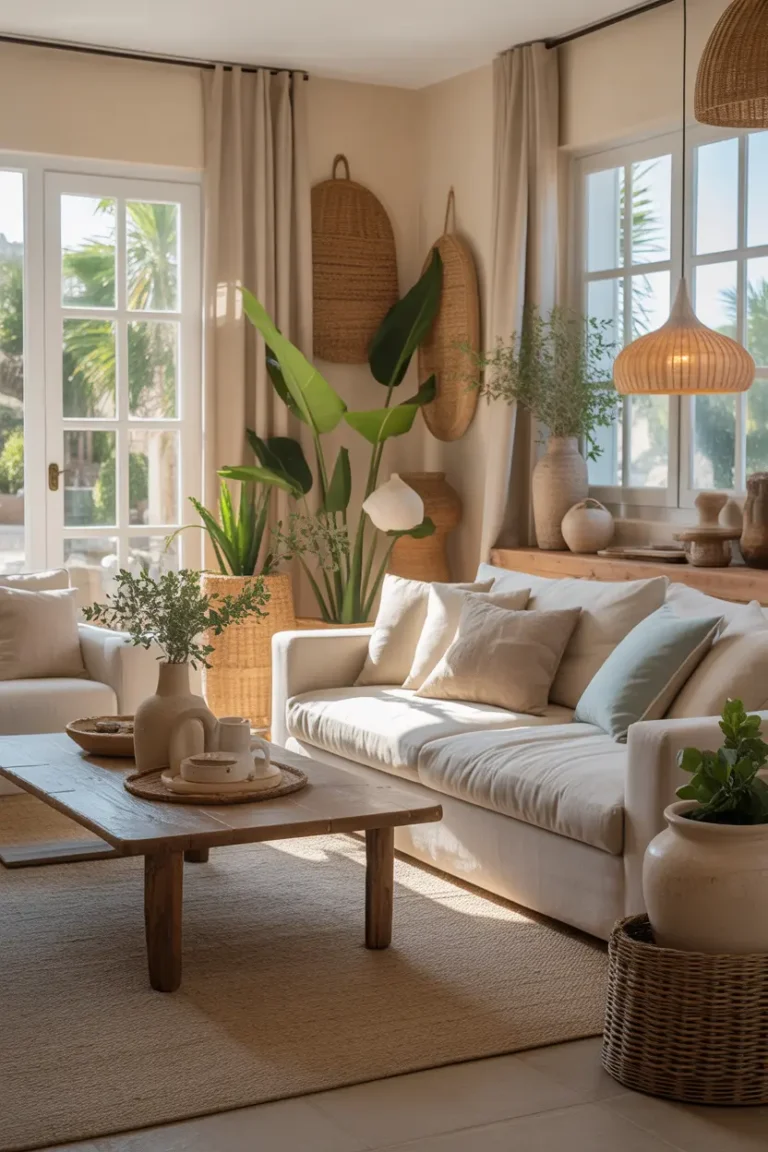
Rugs and lighting are powerful tools for defining zones within an open concept space. A large, cozy rug in the living area can ground the furniture, while pendant lighting above the dining table adds focus and warmth to the dining space. This subtle zoning technique provides visual separation without breaking the flow.
Pro Tip: Choose rugs that complement your color scheme to enhance cohesion between the two spaces.
4. Color Coordination for Cohesion
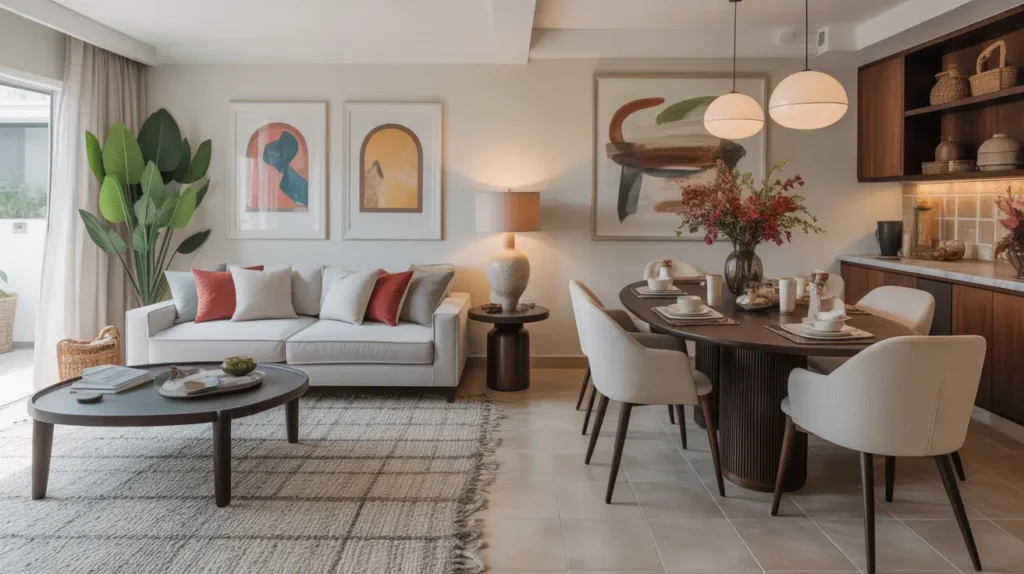
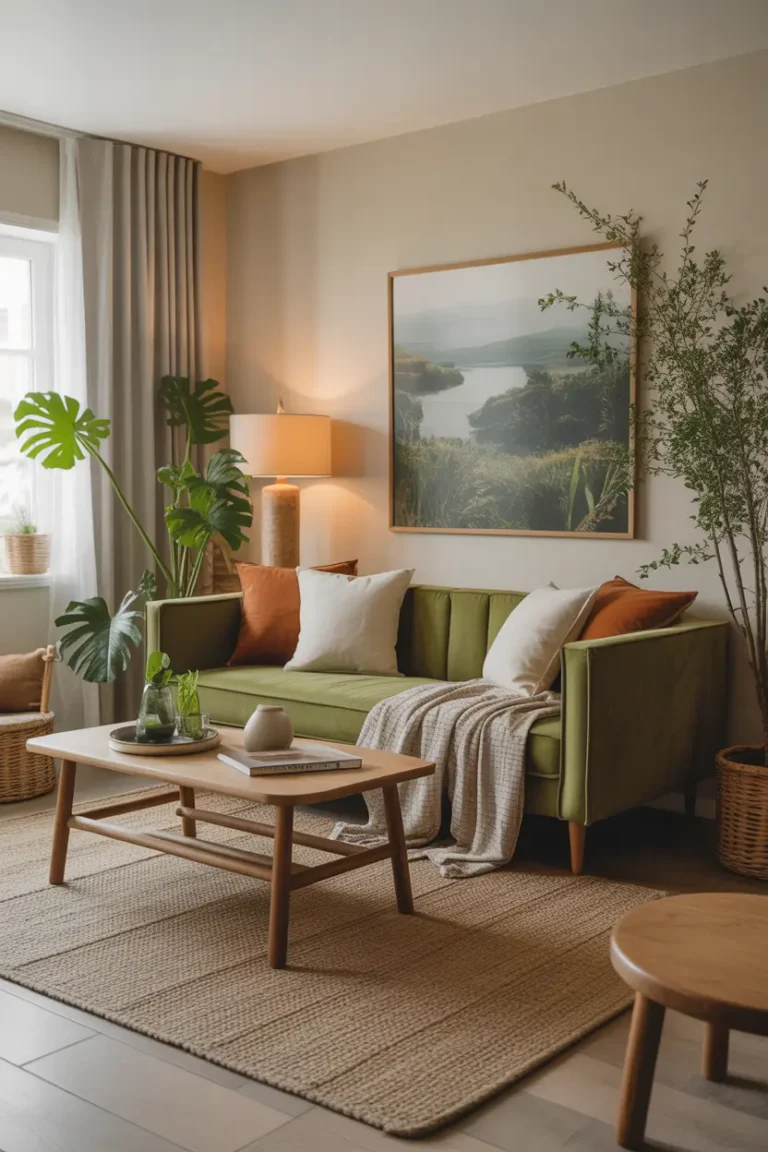
A harmonious color palette can seamlessly blend the living and dining areas. Choose neutral tones for the larger furniture pieces, such as beige or gray, and use accent colors for smaller items like throw pillows, curtains, or vases. This approach ensures that the spaces feel unified, even if they serve different purposes.
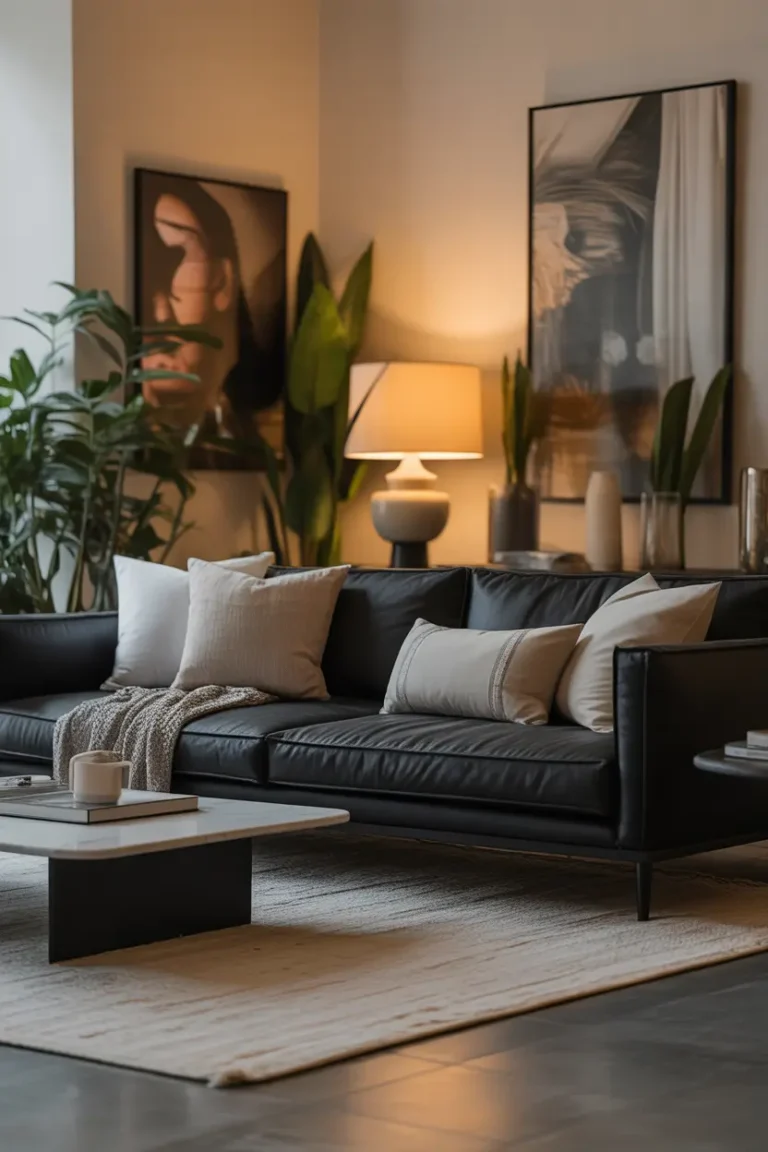
Example: A light gray sofa and beige dining chairs with colorful accent pillows create a serene yet vibrant look.
“Love spirit designs? Check out these related articles to inspire your space!
23 Boys Dorm Room Ideas That Look Cool & Cozy
5. Incorporate Modern Bar Areas
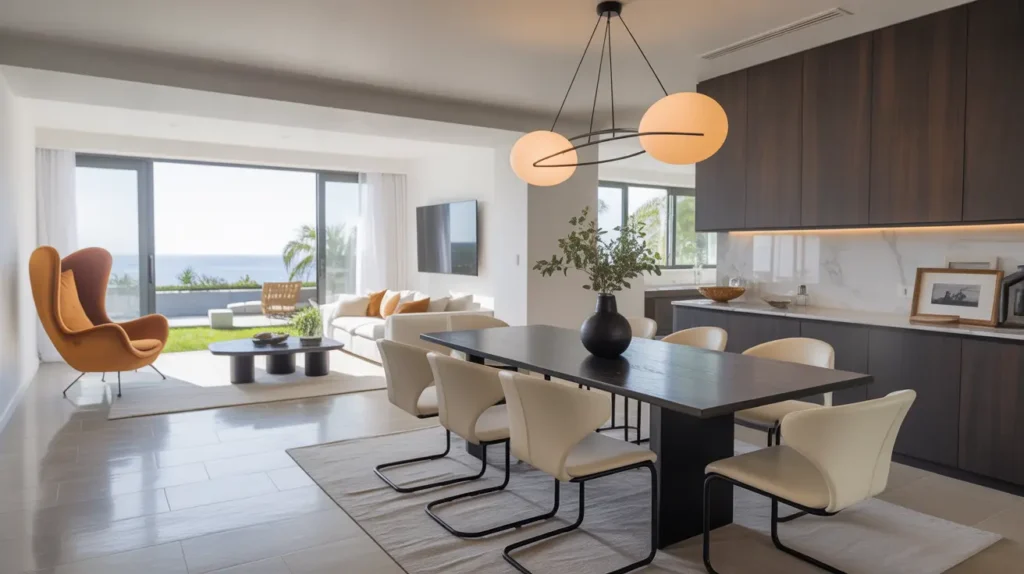
Incorporating a modern bar area between your living and dining spaces can add both style and functionality. A sleek bar counter or island not only provides a space for drinks and casual meals but also serves as a subtle divider that distinguishes the two areas while maintaining openness.
Tip: Opt for a minimalist bar area with high stools that don’t overcrowd the space.
6. Statement Furniture Pieces
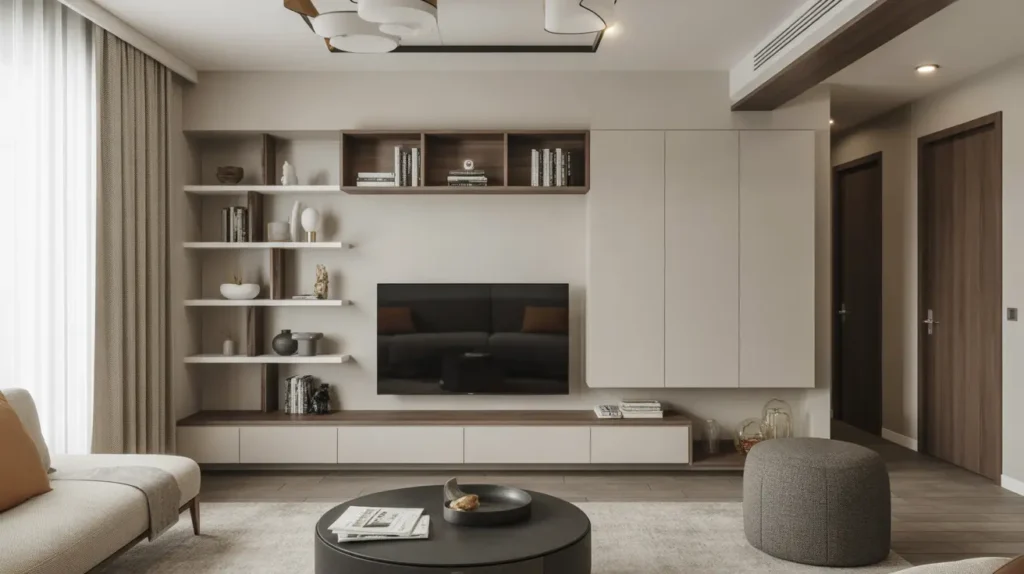
Adding one or two statement pieces of furniture can elevate the look of your combined living and dining room. For instance, a bold dining table or an oversized sectional can serve as a focal point in the room. These statement pieces should be functional while also making a design impact.
Example: A large wooden dining table with modern chairs can anchor the dining area, while a vibrant accent chair in the living space adds personality.
7. Neutral Tones with Pops of Color
Sticking to neutral tones for your large furniture pieces—such as beige sofas or white dining chairs—allows you to bring pops of color into the room through accent items. Bright cushions, artwork, or rugs can inject personality into the space without overwhelming the design.
Pro Tip: Use color to highlight focal areas like the dining table or a reading nook in the living room.
8. Wall-Mounted Storage Solutions
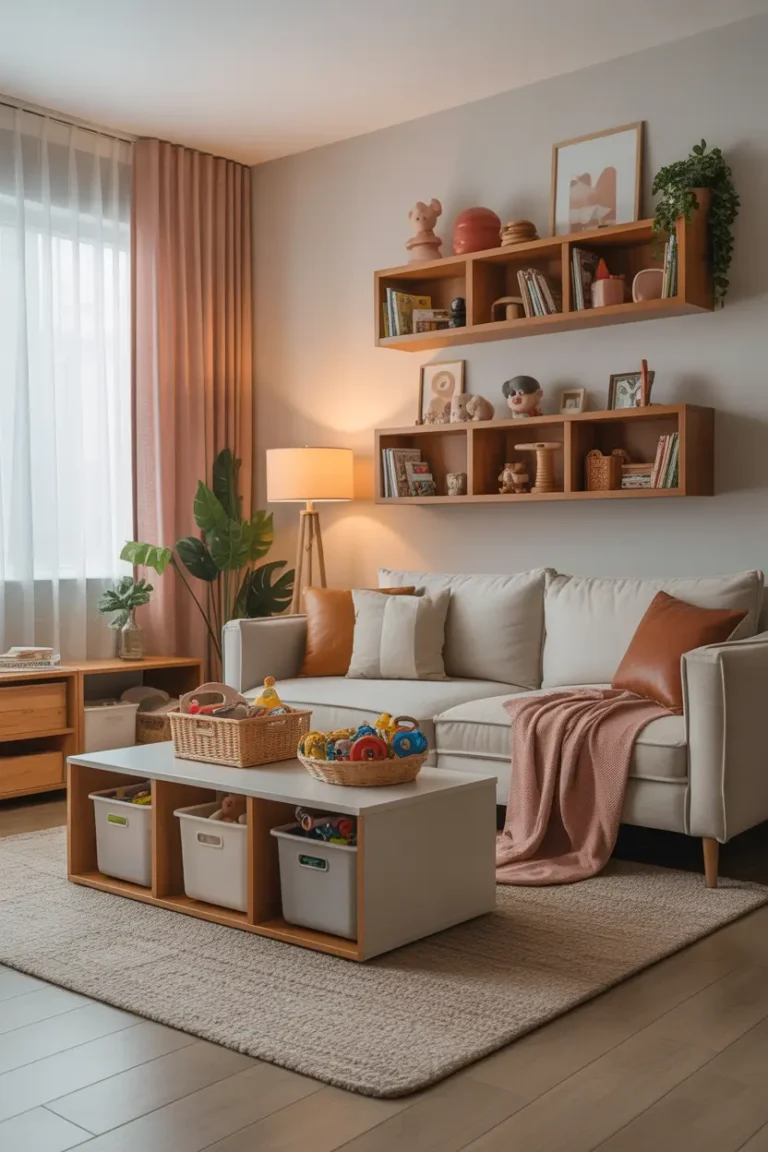
In smaller combined spaces, wall-mounted storage can be a lifesaver. Floating shelves or cabinets help keep the floor space clear while providing storage for items you use daily. Wall-mounted solutions work especially well in the living room for books, décor, or electronics, and can also help tidy up the dining area.
Tip: Choose sleek, floating storage units that match the overall design of your space to maintain the clean, open feel.
9. Play with Height Using Vertical Elements
Vertical elements such as tall bookshelves or hanging plants can add dimension to your space. These design features draw the eye upward, creating the illusion of height and making the room feel larger. Vertical storage or shelving units also serve as practical space savers.
Example: Tall shelves along the wall behind your dining table can store items out of sight, while maintaining easy access.
10. Create Zones with Furniture Arrangement
Strategic furniture arrangement is key to defining separate areas within a combined space. For example, place the sofa facing the dining table, but use other furniture to naturally separate the two zones. Positioning the sofa slightly away from the dining area creates a flow while subtly distinguishing the spaces.
Tip: Ensure there is enough space for movement between furniture, allowing easy transitions between the two areas.
Common Mistakes to Avoid in Combined Spaces
While combining your living and dining areas can be a rewarding design choice, there are a few common mistakes to avoid:
- Overcrowding the Space: It’s easy to fill up the room with too much furniture. Instead, focus on quality pieces that serve multiple functions.
- Ignoring the Flow: Keep furniture arranged to maintain a clear and natural flow between the two spaces. Avoid blocking pathways.
- Inconsistent Design: Ensure that the color scheme and furniture style are cohesive across both areas to create a unified look.
How to Adapt These Ideas to Your Home
While these design tips are great for many spaces, there are some regional and structural considerations to keep in mind:
- Urban Apartments in New York or London: If you’re working with a smaller space, consider incorporating more space-saving furniture and vertical storage to make the most of every square foot.
- Larger Homes in Suburban Areas: Take advantage of open spaces by incorporating larger furniture pieces, statement items, and multi-functional zones for flexibility.
- Luxury Homes in Dubai or Los Angeles: You can go bold with larger-scale furniture and custom-made designs that suit your aesthetic. Large windows or glass partitions can also help separate the spaces while keeping the room feeling open and airy.
Frequently Asked Questions (FAQs)
- What’s the best way to combine living and dining rooms?
Use minimalist dividers like open shelving or glass panels to keep the areas distinct while maintaining a flowing, open concept. - How do you separate living and dining areas without walls?
Use rugs, lighting, and furniture arrangement to subtly define zones within the open space. - Can I combine my living room and dining room in a small apartment?
Yes, multi-functional furniture, vertical storage, and neutral colors can make small spaces feel larger and more cohesive. - What furniture works best for combined living and dining rooms?
Choose space-saving and multi-functional furniture such as extendable dining tables, storage ottomans, and sofas with built-in storage. - How do you style a living and dining room together?
Stick to a cohesive color palette and mix functional pieces with statement furniture to create a balanced, unified look. - What are the best color schemes for combining living and dining rooms?
Neutral tones with pops of color work well, creating a calm and coordinated space while adding personality. - How much does it cost to combine a living and dining room?
The cost depends on your needs, but for a basic redesign, expect to spend between $1,000 and $5,000 on furniture and décor.
Conclusion
Combining your living and dining rooms doesn’t have to be a daunting task. With the right furniture choices, color coordination, and design principles, you can create a chic, functional, and spacious environment. Whether you’re designing a small apartment or a large home, these 10 ideas offer the perfect blend of style and practicality to enhance your space.
Start with a plan that works for your lifestyle, and don’t hesitate to incorporate local designers or furniture brands to tailor the space to your needs. By following these tips, you’ll create a home that’s both functional and visually appealing.