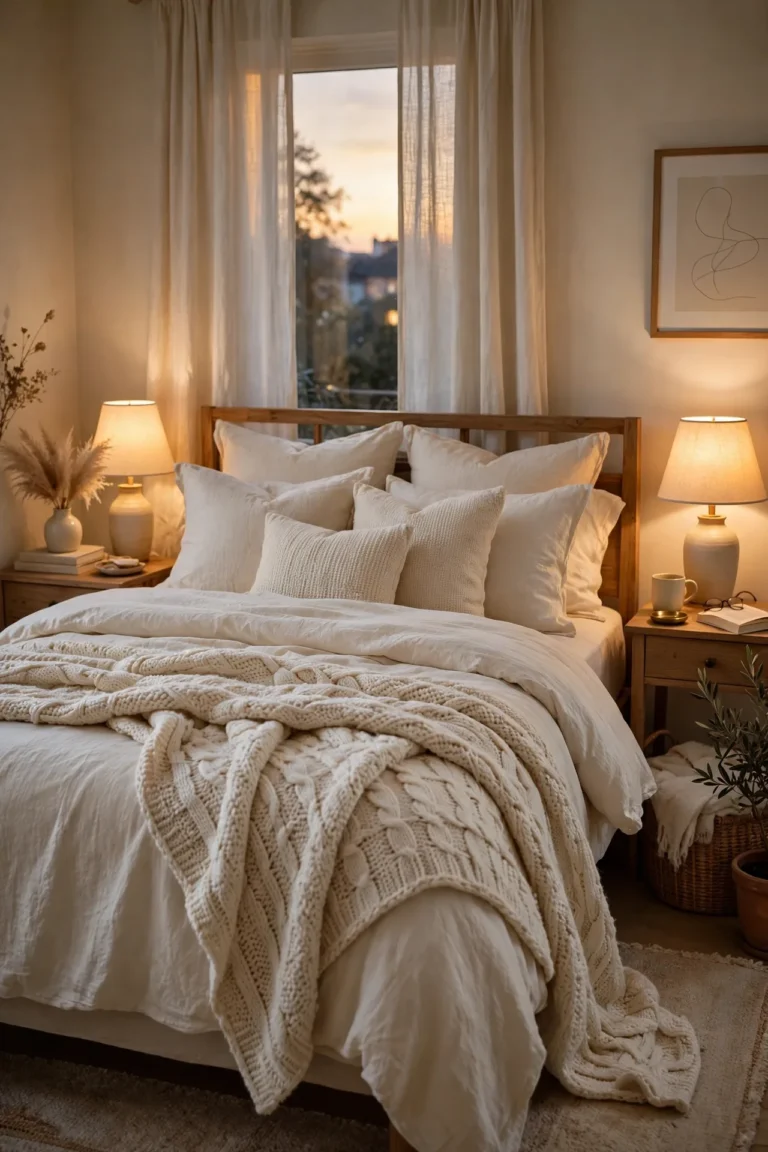
How to Layer Bedding Like a Designer
Learning how to layer bedding like a designer is less about buying a whole new bedroom set and more about building your bed in the right order, with the right mix of textures. A bed that looks styled has depth: a crisp base, a soft middle, a folded-back duvet, and pillows that step down in height from back to front. When each layer earns its place, the whole room feels calmer and more finished, even if the rest of the bedroom stays simple.
Read This Before You Start Layering
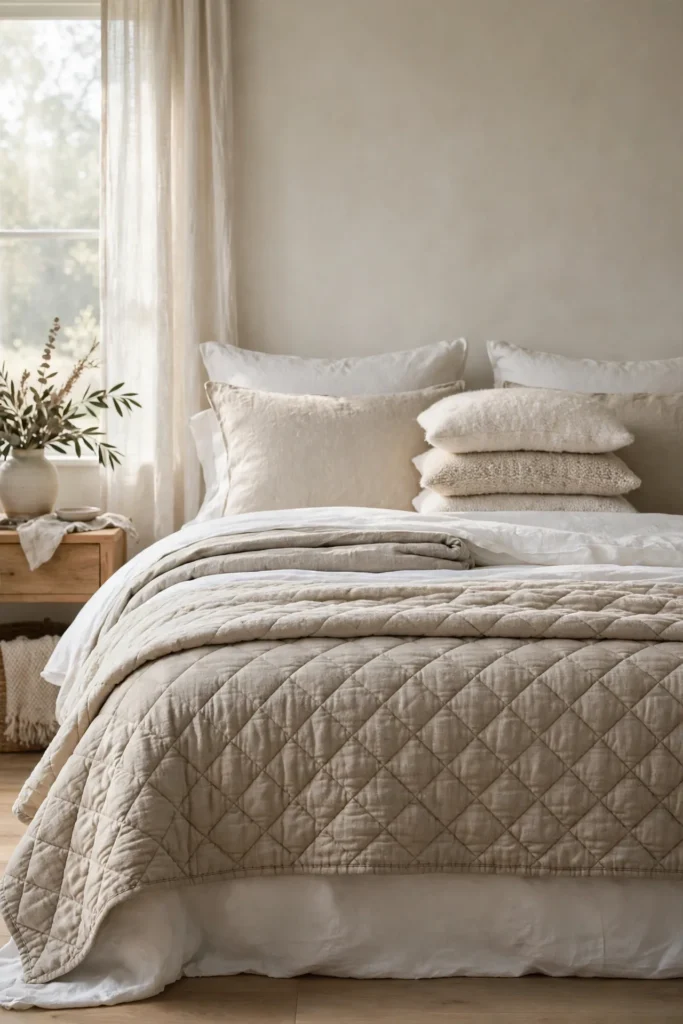
Start with a simple rule: build from the mattress up, and let every layer show a little. If you hide the sheet completely under a heavy duvet, or bury a pretty quilt under a throw, you lose the depth that makes a layered bed look expensive. Fold the duvet back, let the flat sheet peek out, and leave the foot of the bed open enough that the quilt or throw reads as its own layer.
Keep your palette tight. Three or four tones are plenty, and neutrals like white, ivory, oatmeal, and soft grey do not count as extra color. When the colors stay calm, you can mix textures freely: crisp cotton, washed linen, a waffle throw, and a velvet lumbar pillow can all live on the same bed without fighting each other.
Think in seasons, too. A layered bed is not a fixed arrangement you set once and never touch. Swap the heavy throw for a light cotton coverlet in summer, add a wool blanket when the nights turn cold, and change one pillow cover when you want a fresh look. If you are planning a wider refresh, these bedroom makeover ideas pair well with a new bedding stack.
Finally, buy for the bed you actually sleep in. If you hate making the bed, skip the five-pillow arrangement and choose a stack you will rebuild happily every morning. The best layered bed is the one that still looks good on a Tuesday, not only in a photo, and that is the real test of how to layer bedding like a designer in a home you actually live in.
1. Start With a Smooth, Well-Fitted Base
Every good bed starts with a fitted sheet pulled taut over the mattress, with deep enough pockets that the corners stay put. A wrinkled, slipping base makes every layer above it look sloppy, no matter how pretty the duvet is. Choose a fabric you love sleeping on first, because this is the layer that touches your skin all night.
2. Let the Flat Sheet Do Quiet Work
Lay the flat sheet with its finished edge toward the head of the bed, then fold the top down below where your pillows will sit. When you later fold the duvet back, that finished edge shows as a clean band of contrast. It is a small detail, but it is one of the clearest signs of a bed that was styled on purpose rather than just covered up.
3. Choose a Duvet That Holds Its Shape
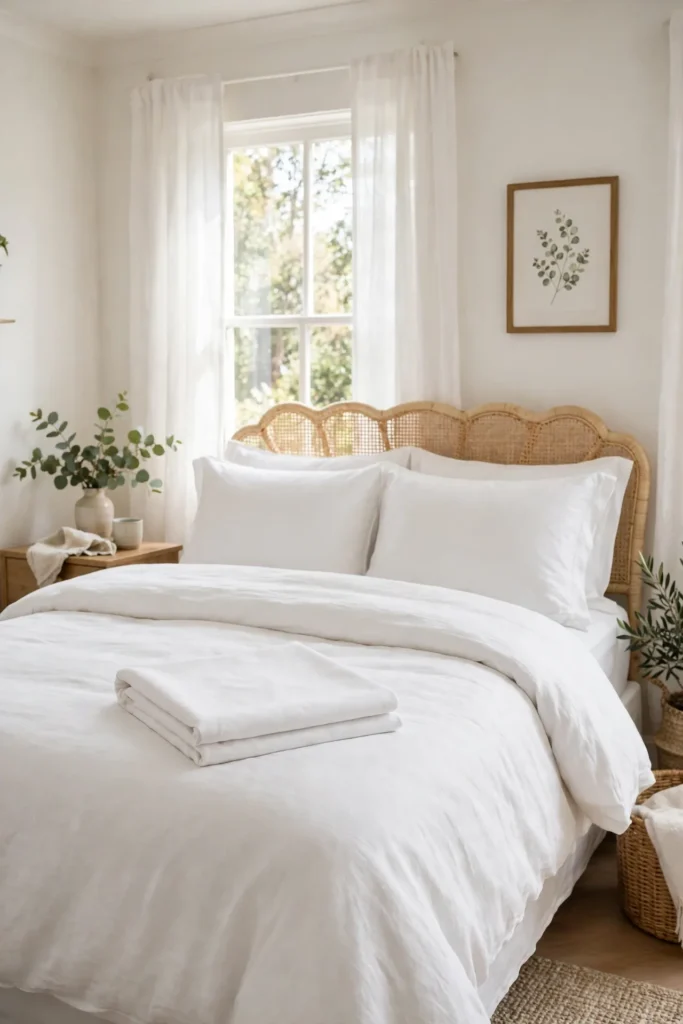
Your duvet or comforter is the main body of the bed, so it needs an insert with real loft. A flat, thin insert will always look tired, even under a beautiful cover. Size the insert one step up from the cover if you want extra fullness, fluff it daily, and give it a good shake before you lay it out so it fills the cover evenly from corner to corner.
4. Master the Designer Fold
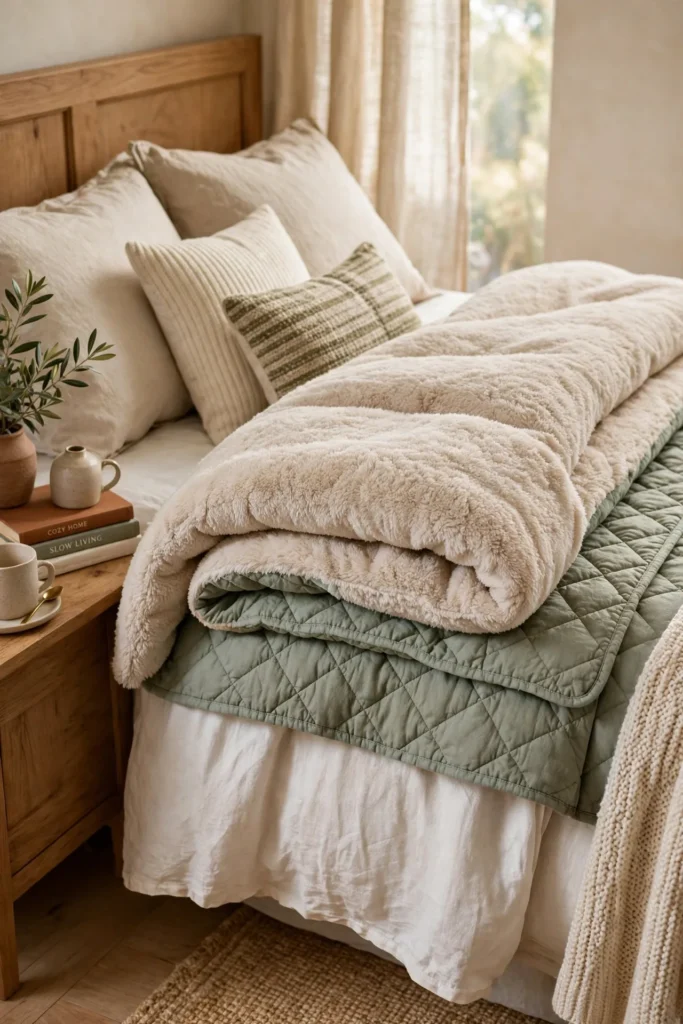
Pull the duvet up toward the pillows, then fold the top third back on itself. That folded band creates thickness near the pillows and reveals the layers underneath, which is exactly what gives a styled bed its depth. This fold is the first move most stylists teach when they explain how to layer bedding like a designer, because it shows off the whole stack in one gesture.
5. Add a Quilt or Coverlet as the Middle Layer
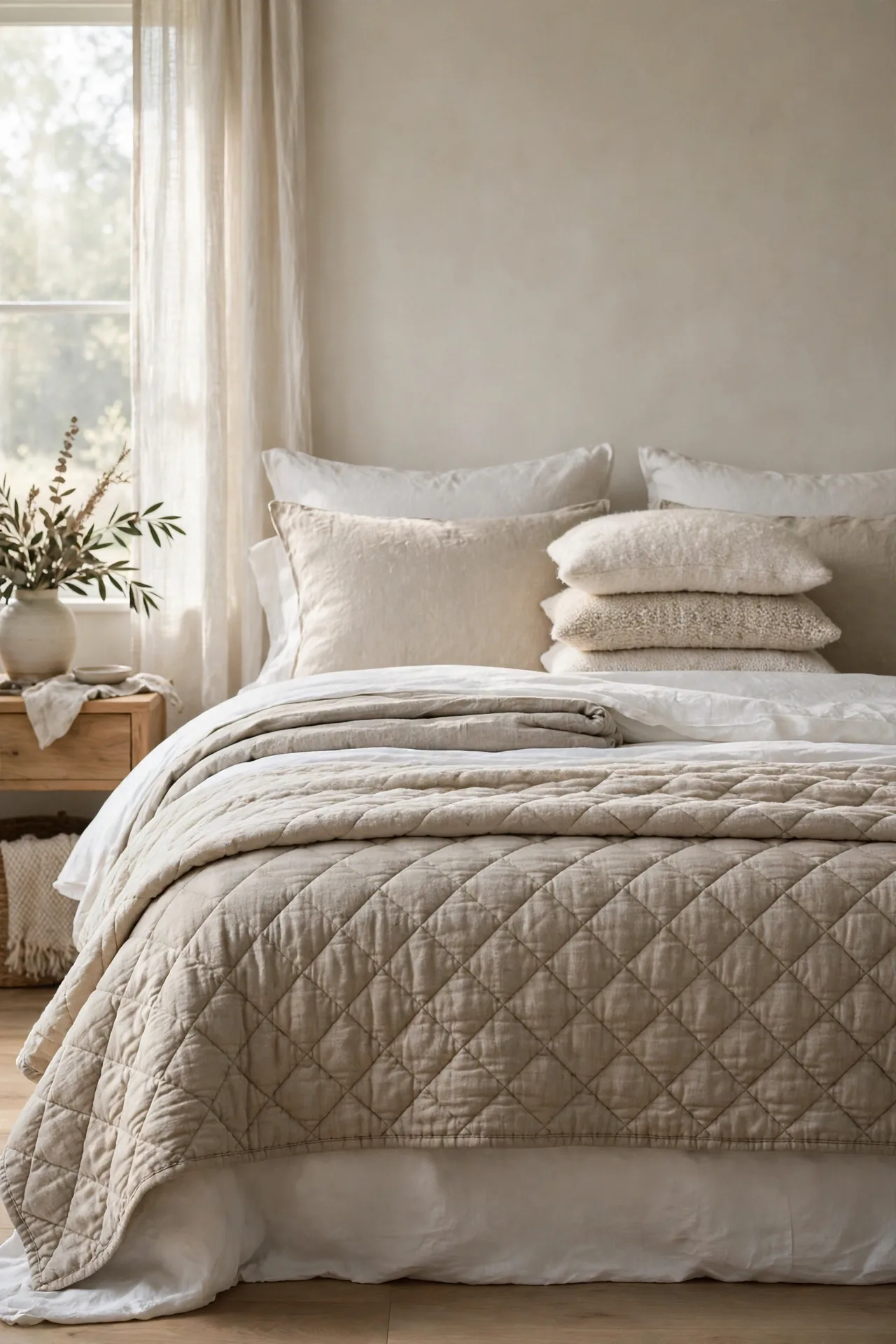
A quilt or coverlet is the layer that adds texture without adding much warmth, which makes it the most useful styling piece you own. Fold it in thirds across the foot of the bed for a structured look, drape it loosely for a relaxed one, or fold it back over the duvet so both fabrics show at once. In warm months, a quilt on its own over the flat sheet can be the whole top layer.
6. Drape a Throw Like You Mean It
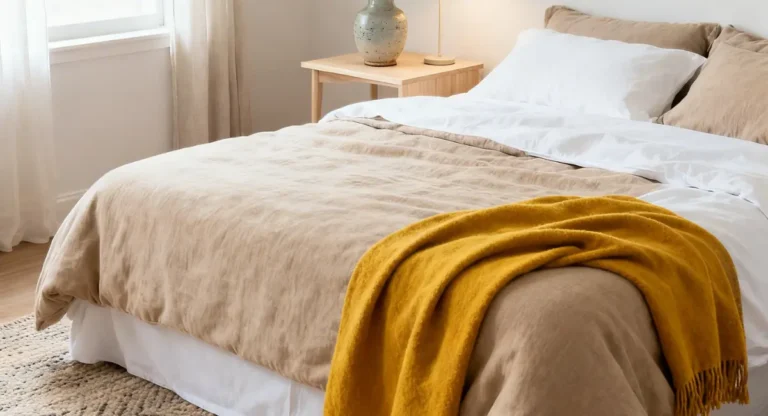
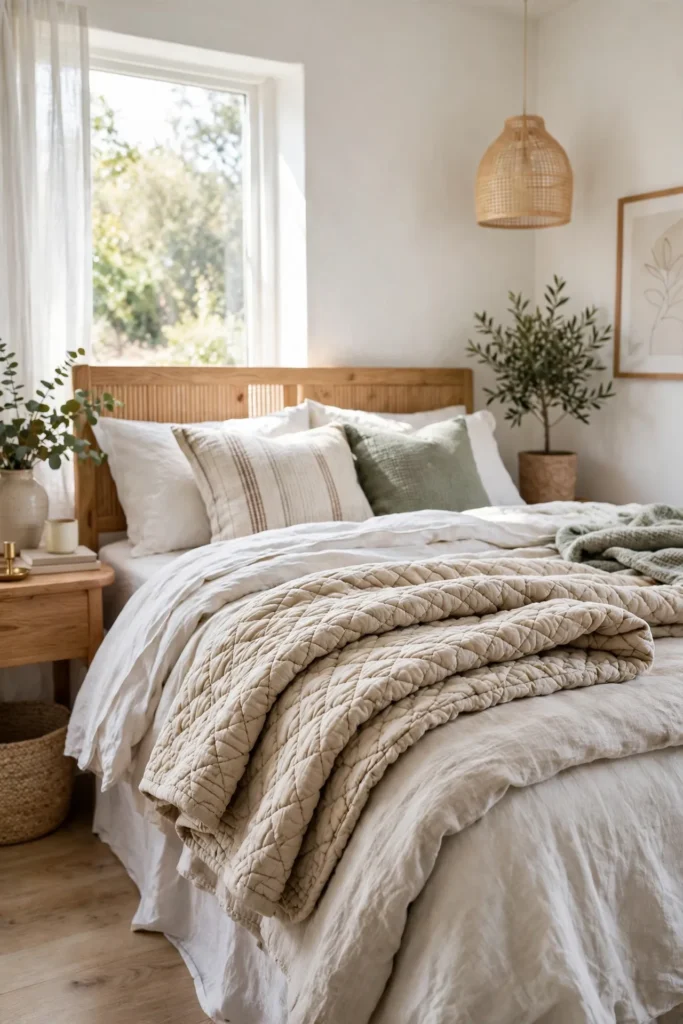
The throw is the finishing layer, and how you place it changes the whole mood. Fold it in thirds and lay it straight across the foot for a hotel look, or drape it on a diagonal with one corner falling toward the floor for a relaxed, editorial feel. Either way, let it sit on top of the quilt rather than replacing it, so the bed keeps its stacked depth.
7. Build Pillows Back to Front, Tall to Short
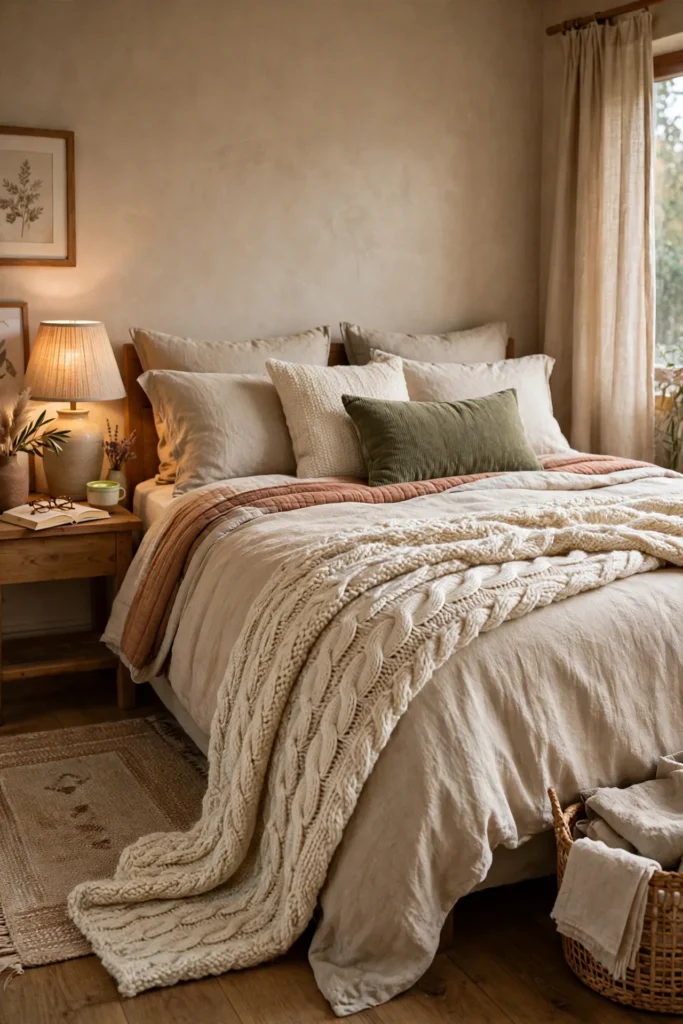
Work from the headboard forward: Euro shams at the back, sleeping pillows in the middle, and one accent or lumbar pillow at the front. That staircase of heights is what stops a pillow arrangement from looking like a pile. For a queen bed, two Euros, two sleeping pillows, and one lumbar is a complete, balanced set; for a king, add a third Euro and a second sleeping pillow.
8. Use Oversized Inserts for Plump Pillows
Flat pillows flatten a whole bed. Use inserts about two inches larger than their covers so shams and accent pillows look plump and hold their shape. Give each pillow a quick karate chop in the center top if you like that dented, styled look, or leave them softly rounded for a calmer, more hotel-like finish. Either choice looks intentional when the pillows are full.
9. Let One Lumbar Pillow Be the Punctuation
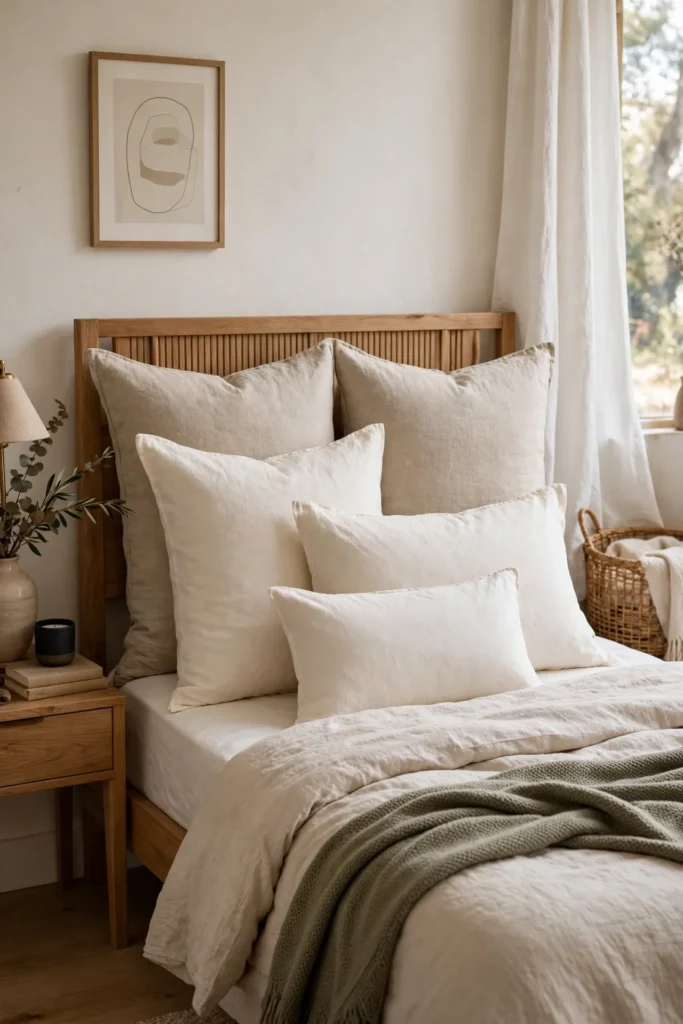
A single long lumbar pillow in front of the stack does more styling work than three small squares. It adds a horizontal line that balances all the vertical pillow height, and it is the easiest place to introduce a color or texture you have not used elsewhere. Center it on the bed, keep it in front of (not on top of) the sleeping pillows, and let it be the piece your eye lands on first.

10. Mix Textures, Not Just Colors
Texture is the real secret of a layered bed, and it is where many people stop too soon. Pair crisp percale sheets with a smooth sateen duvet cover, add a woven quilt, and finish with a knit or waffle throw. If you remember one rule for how to layer bedding like a designer, make it this: vary the texture at every step, so each layer feels different to the touch.
11. Stick to One Color Story
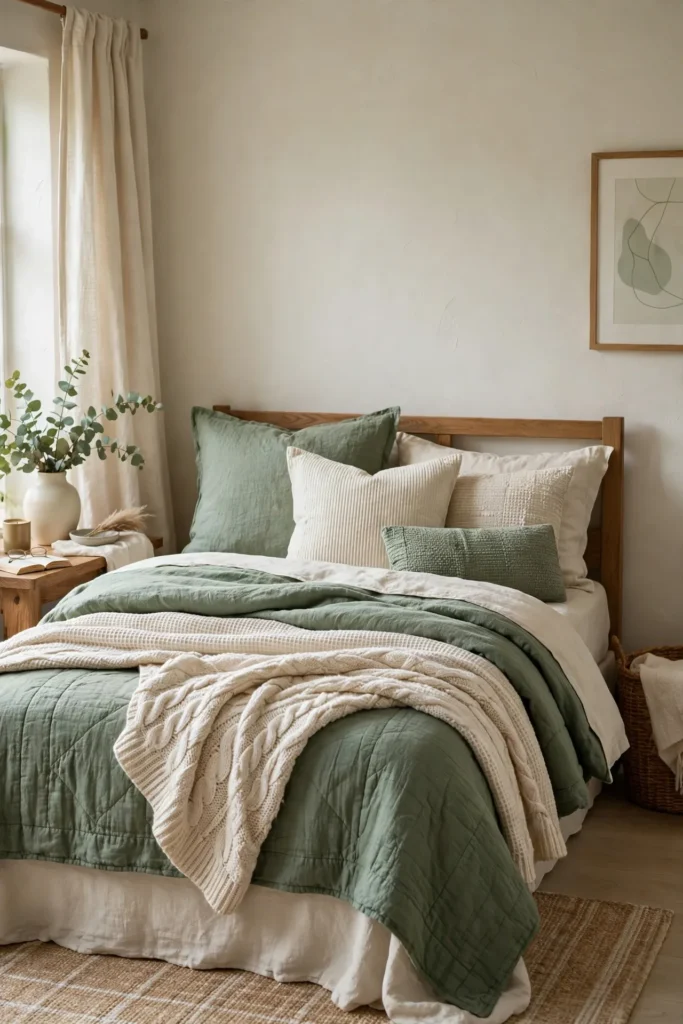
Pick one color family and stay inside it, shifting shades rather than adding new hues. A sage duvet with cream sheets and an oatmeal throw feels collected; a sage duvet with a rust quilt, a navy throw, and a pink lumbar feels like four different beds. If you want a bolder room, let the wall color or art carry the drama and keep the bedding calm, as in these dark moody bedroom ideas where deep walls do the heavy lifting.
12. Add Pattern in One Place Only
One pattern, used well, beats three patterns competing for attention. Let the duvet cover or the quilt carry a stripe, a small floral, or a subtle check, and keep everything else solid. Pull one color from that pattern into your lumbar pillow or throw so the pattern feels connected to the rest of the bed instead of floating on its own.
13. Layer Linen for a Relaxed, Lived-In Look
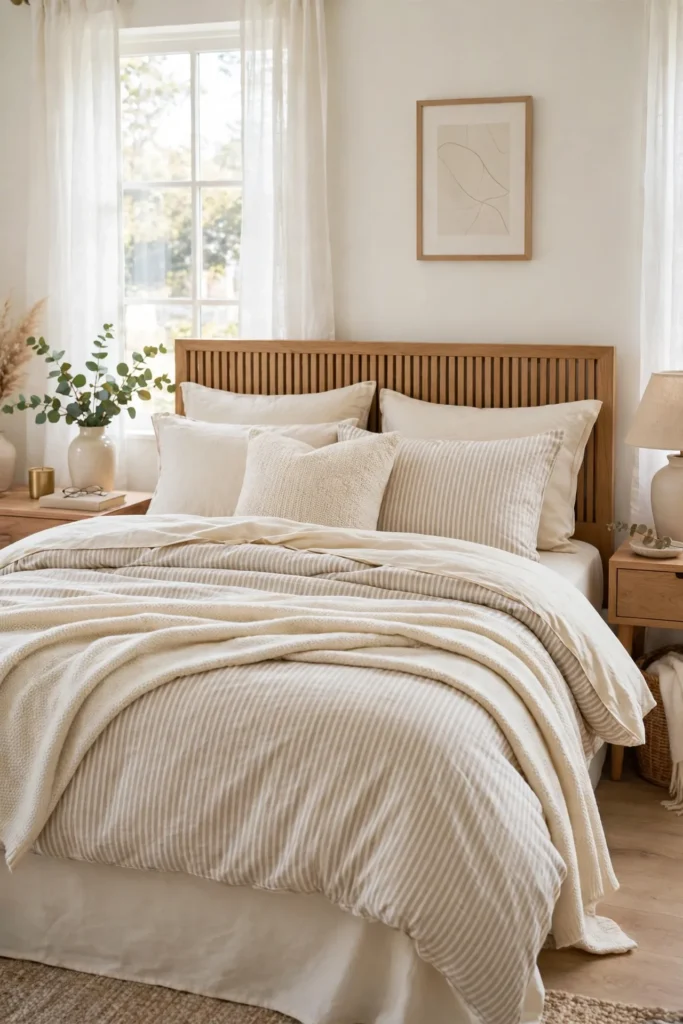
If crisp hotel bedding feels too formal for you, washed linen is the answer. Its natural wrinkles are part of the look, so you can skip the iron and still have a bed that reads as styled. Mix a linen duvet with cotton sheets for contrast, or go all-linen in one tone for a soft, cloud-like stack. Linen also breathes well, which makes it a good choice if you sleep warm.
14. Learn the Order From a Trusted Guide
When you are starting from scratch, it helps to see the full stack explained layer by layer before you buy anything. Brooklinen’s layering guide walks through sheets, duvets, quilts, throws, and pillow arrangements with clear photos of each step, and it is a useful reference if you want to check your own bed against a finished example. Use it for the order and the proportions, then make the colors and textures your own.
15. Style the Bed for the Season
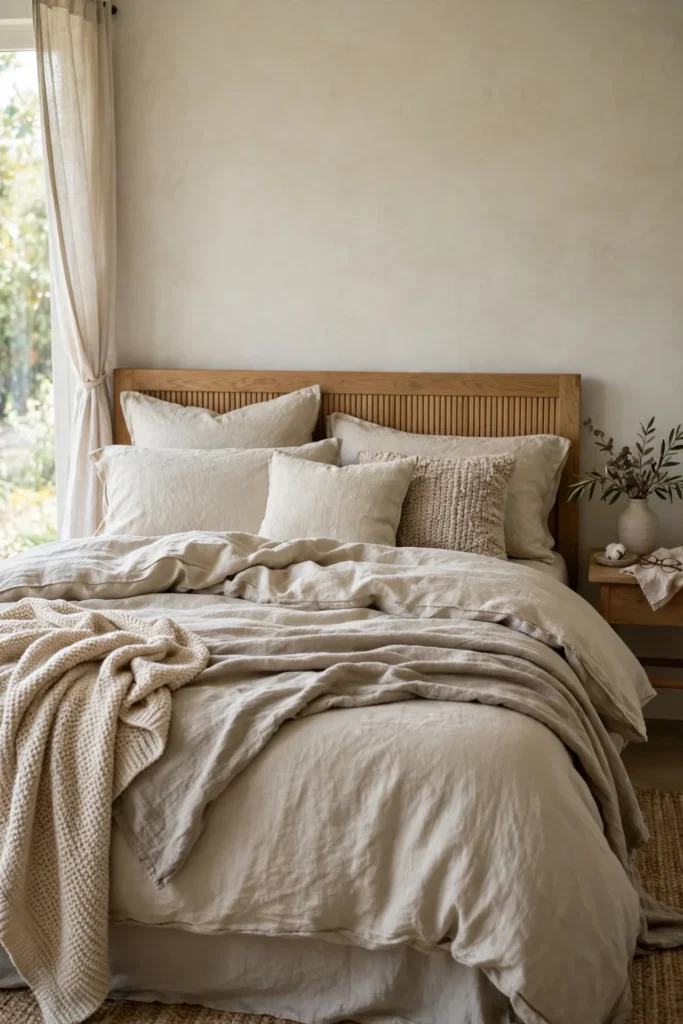
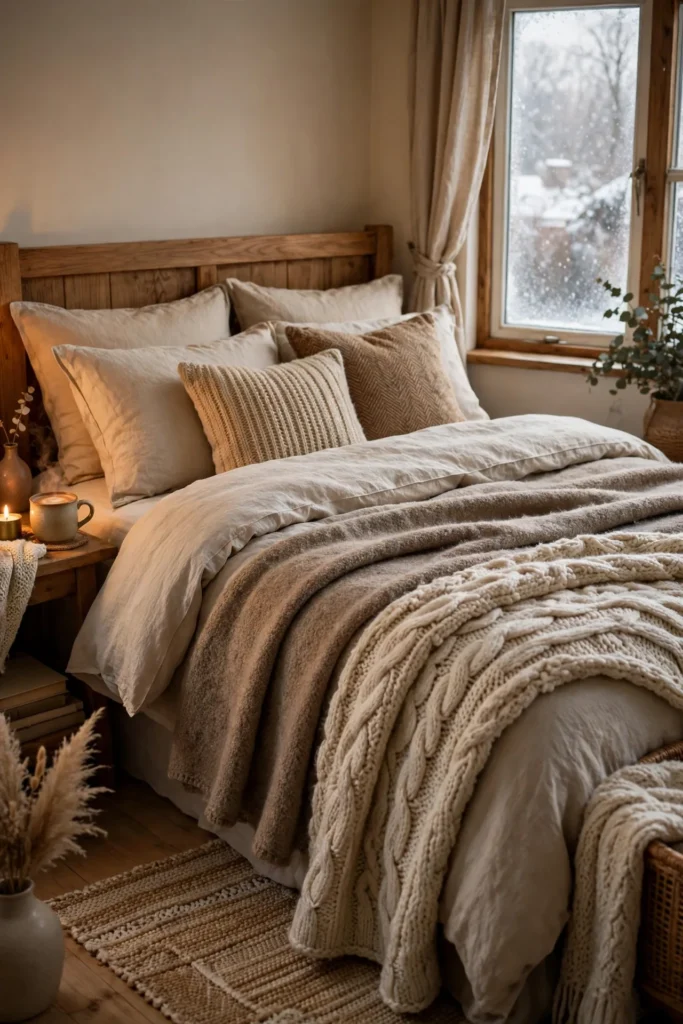
Swap layers with the weather instead of rebuilding the whole bed. In summer, drop the heavy duvet and let a quilt plus a light cotton throw carry the bed. In winter, add a wool blanket under the throw at the foot and swap in a flannel or brushed-cotton flat sheet. Seasonal swaps are part of how to layer bedding like a designer for real life, not just for photos, and one swap twice a year keeps the bed feeling fresh without a full shopping trip.
16. Keep the Foot of the Bed Open
Resist the urge to pull every layer all the way to the pillows. Leaving the quilt and throw in the lower half or lower third of the bed creates a clear visual break and shows off each layer. It also makes the bed easier to get into at night, since you are only folding back the top layers instead of untangling a stack that covers the whole mattress.
17. Make a Guest Bed Feel Just as Considered
Guests notice a layered bed immediately, because it signals that someone thought about their comfort. You do not need the full stack: a good fitted and flat sheet, a plump duvet folded back, a quilt at the foot, and two sleeping pillows plus one Euro sham will make a guest room feel like a boutique hotel. Add a folded throw and a small card with the Wi-Fi password, and the room is done.
18. Simplify When the Room Is Small
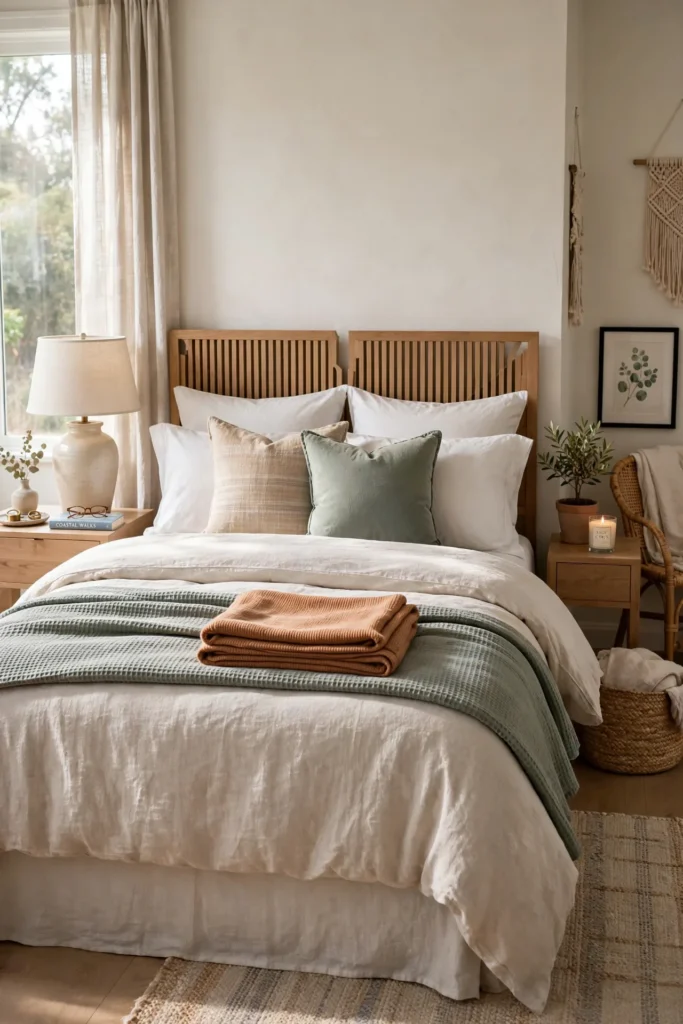
In a small bedroom, fewer, lighter layers work better than a tall stack. Skip the Euro shams if they crowd the headboard, choose a thin quilt instead of a heavy comforter plus a quilt, and keep the throw folded neatly at the foot rather than draped wide. The goal is the same layered look, just scaled down so the bed does not swallow the room. For rooms that need to stay calm and classic, these timeless bedroom ideas show how restraint keeps a small space feeling generous.
Frequently Asked Questions
How many layers should a styled bed have?
Four to five layers are plenty: fitted and flat sheets, a duvet or comforter, a quilt or coverlet, a throw, and pillows. You can drop the quilt in summer or skip the throw if you prefer a cleaner look, and the bed will still read as layered as long as at least two textures show.
Do sheets have to match the duvet cover?
No, and they often look better when they do not match exactly. Keep them in the same color family or use neutral sheets under a colored duvet, and let one accent piece tie the two together. Matching sets are fine, but mixing tones is what gives a bed a collected, designer feel.
What is the difference between a quilt and a coverlet?
A quilt has stitched-through batting that gives it a puffy, dimensional look, while a coverlet is thinner and flatter. Both work as a middle layer. Choose a quilt when you want visible texture and a little warmth, and a coverlet when you want a lighter, more minimal layer.
How do you layer bedding like a designer without buying everything new?
Start with what you own and add one piece at a time. A new throw or a single lumbar pillow can change the whole bed, and folding your existing duvet back to reveal the sheet costs nothing. Add a quilt next if your bed still looks flat, and only then consider new sheets or a new duvet cover.
How many pillows do you actually need?
For sleeping, two is enough. For styling, a queen bed looks complete with two Euro shams, two sleeping pillows, and one lumbar pillow, while a king bed can take three Euros, two king pillows, and one or two lumbars. If you dislike clearing pillows every night, keep the set small and let the duvet fold and throw do the styling work.
Make It Yours
Start tonight with one change: fold your duvet back, add a throw you already own at the foot, and see how different the room feels in the morning. Once you learn how to layer bedding like a designer, the routine gets easier, not harder, because you build the stack slowly, one texture at a time, until the bed looks like you, not like a showroom copy. If an idea here caught your eye, save your favorites to your bedroom board on Pinterest so you can find them again when you shop for that next layer.