
23 Inspiring Bedroom Color Ideas to Refresh Your Space
Color changes everything about a bedroom: how big it feels, how calm, how personal. The right shade can make mornings gentler and nights deeper. These 23 bedroom color ideas cover calming neutrals, earthy greens, romantic shades, and bold statements — each with styling tips so you can recreate the look in a real home, not just admire it on a screen.
Read This Before You Decorate
Bedroom color follows one rule: mood first, light second, sample always. Pick the FEELING you want (calm, romantic, energized, cocooned) before the color. Then check your light — north-facing rooms cool every color, south-facing rooms warm them. And always sample: paint a big swatch, live with it for two days, look at it in morning and evening light. Sherwin-Williams’s guide to choosing bedroom colors. And if you want the color to last, our 12 timeless bedroom ideas that never go out of style keep the palette current for years.
23 Inspiring Bedroom Color Ideas to Refresh Your Space
1. Soft Neutral Layers

Soft neutrals make a bedroom feel open, clean, and restful without looking flat. Warm beige walls with ivory bedding create a soft base that works in every season; light oak furniture grounds the palette while woven rugs and textured throws stop it from feeling plain. The secret is layering tone on tone: cream, sand, oatmeal, pale taupe through pillows, curtains, and bedding. Neutrals stay flexible, so you can swap artwork or seasonal decor without repainting.
2. Sage Green Calm

Sage green feels fresh without going bright — grounded, natural, instantly softening. Pair with white bedding, warm wood furniture, brass details, and natural fabrics like cotton and linen for an airy, balanced room. Use it on all four walls for a cocoon effect, or one wall behind the bed for a lighter touch. Add olive, cream, and muted brown through cushions and rugs; a few plants near the window connect with the wall color beautifully.
3. Dusty Blue Airiness

Dusty blue brings a cool, quiet feeling with more personality than plain white. It looks beautiful with white sheets, pale wood frames, and silver or black accents — calm in the morning, peaceful at night. Keep the rest of the room simple so the blue leads without chilling the space: a light gray rug, knit cushions, sheer curtains. Dusty blue loves good daylight — the color shifts gently through the day and never feels harsh.
4. Warm Terracotta Glow

Terracotta adds warmth fast: rich, earthy, grounded, slightly rustic without going dark. An accent wall behind the bed creates an instant focal point, especially with cream bedding and natural textures. Balance it with sand, soft white, clay pink, or muted brown so it feels styled, not overwhelming. Warm bulbs matter here — they make terracotta glow beautifully at night.
5. Cream and Taupe Blend

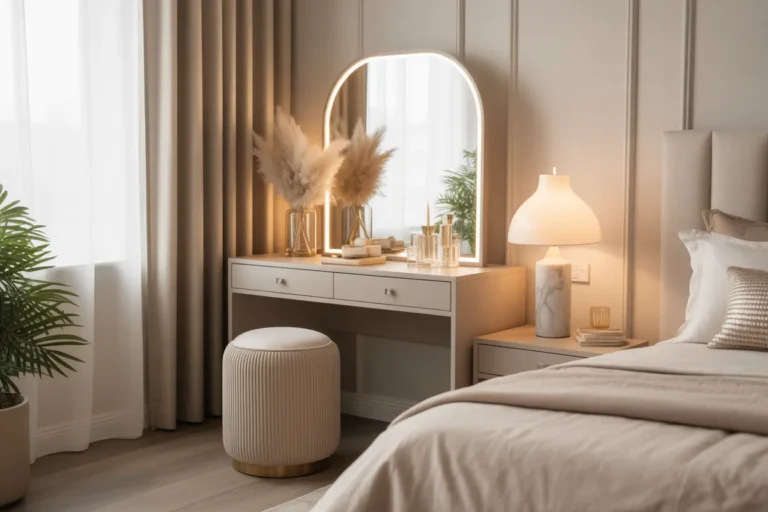
Cream and taupe create a polished, grown-up bedroom that’s easy to maintain. Cream brightens; taupe adds just enough contrast to stop the washed-out look. This pairing suits upholstered headboards, padded benches, and layered bedding for a calm, hotel-like effect. Let cream dominate large surfaces and bring taupe into curtains, cushions, and lampshades; a plush rug and layered blankets add depth.
6. Charcoal and White Contrast

Charcoal gives instant depth and structure — bold, modern, a little moody. Paired with crisp white bedding, the contrast looks clean and intentional, and art, mirrors, and metallics pop against the dark backdrop. Break it up with warm bedside lighting, light rugs, and soft throws in gray, ivory, or muted stone. Wood furniture warms the palette if it feels too sharp; this look suits minimalists because the contrast does the design work.
7. Blush Pink Softness

Blush pink feels elegant when styled with restraint: a warm glow on the walls that flatters white bedding, pale wood, and subtle metallics. Keep it mature by mixing with cream, taupe, or dusty gray, and add texture (linen bedding, boucle cushions, a soft rug) instead of extra decor. Black-framed art or a simple gold lamp sharpens the palette; the overall effect is calm, polished, and quietly romantic.
8. Olive Green Depth

Olive brings more depth than sage — richer, earthier, a little edgy. It pairs beautifully with cream bedding, walnut furniture, and brass hardware for a palette that’s both natural and refined. Use olive when you want color with a grown-up look; balance it with lighter bedding and a pale rug so the room never feels heavy. Black picture frames or simple sconces add structure.
9. Lavender and Linen

Muted lavender is soothing, not sweet: soft personality, airy, slightly romantic. It works beautifully with linen bedding and simple wood furniture, and reflects light nicely so the room feels bright by day. Pair with white, cream, or pale gray and use texture — bedding, curtains, a soft rug — to complete the look. For more on building calm bedrooms, our 21 stunning meditation corner in your bedroom tips share the same soft-light, gentle-texture principles.
10. Navy Accent Drama

A navy accent wall adds drama without closing the room in: a strong backdrop for the bed that makes light bedding stand out. Navy feels classic and polished — one of the safest bold colors. Keep it to one wall in small rooms, repeat lightly in cushions or art, and pair with white sheets, beige curtains, and wood accents. Brass lamps and walnut furniture make the look feel intentional and sharp.
11. Mustard and Beige Warmth

Mustard works best as an accent: against beige or warm cream walls, it adds energy without overpowering. Bring it in through cushions, throws, a painted nightstand, or framed art — it instantly brightens soft neutrals. Keep the base simple (beige walls, white bedding, warm wood) so mustard can do its job. A patterned rug with touches of gold, rust, or brown ties everything together.
12. Greige Balance

Greige sits between gray and beige — the calm of gray with the warmth of beige, balanced from the start. It works with almost any furniture tone and suits modern and classic decor alike. Pair with white or oatmeal bedding, black-framed art, and soft wood accents; add woven textures or a thick rug so it never feels flat. Ideal when you want a neutral bedroom that feels updated and quietly stylish.
13. Peach and White Freshness

Soft peach brings warmth without heaviness: a gentle glow that feels friendly and light. It works especially well in bedrooms with limited natural light, where darker shades would sink. Keep styling clean — light wood, white curtains, simple rounded shapes — and add a woven rug or textured blanket for grounding. Peach also pairs with brass, tan, or muted coral for a little more depth.
14. Mocha Brown Cocoon
Mocha brown creates a cocoon: deeply cozy, quiet, intimate. On the walls it adds richness and makes light bedding stand out; it pairs naturally with wood, leather, linen, and warm metals. To keep it comfortable rather than heavy, use cream bedding, warm lamps, and a lighter-toned rug, and layer texture through blankets, cushions, and curtains. Especially effective in cooler seasons — the room feels warm the moment you walk in.
15. Teal Statement Style

Teal is bold but calming: the depth of blue with the richness of green. Teal walls make a bedroom feel instantly designed, especially with light bedding and simple furniture. Let teal be the standout and keep everything else softer — white, beige, gray, pale wood balance the depth. Gold or brass lighting adds refinement; a few dark cushions or a patterned rug connect the palette.
16. Butter Yellow Light

Butter yellow brings soft brightness — sunny even on dull days, warmer and gentler than bold yellow. It reflects light beautifully, suiting small bedrooms that need life without strong contrast. Keep decor simple so the wall color stays the main warmth source: a woven rug, light curtains, natural accents. Best with cream, beige, or soft gray — cheerful, yet soft enough for sleep.
17. Black and Sand Sophistication

Black and sand feel sharp yet warm: sandy walls keep things light and calm while black adds structure and contrast. Use black in controlled amounts — frames, lamps, furniture legs, a mirror — against larger sandy surfaces. Texture through bedding and rugs keeps it layered. The result feels smart, mature, and finished, especially in modern bedrooms with clean lines.
18. Sky Blue Minimalism
Sky blue washes the walls with clean, open color — perfect for minimal rooms that need interest without noise. White bedding, simple wood furniture, and very few decorative items let the color create the mood. Keep styling restrained: one or two textures, natural light doing the heavy lifting. Even simple spaces like attics benefit from this thinking — our 23 cozy attic bedroom ideas you’ll love instantly show how light and layout work together.
19. Forest Green Romance

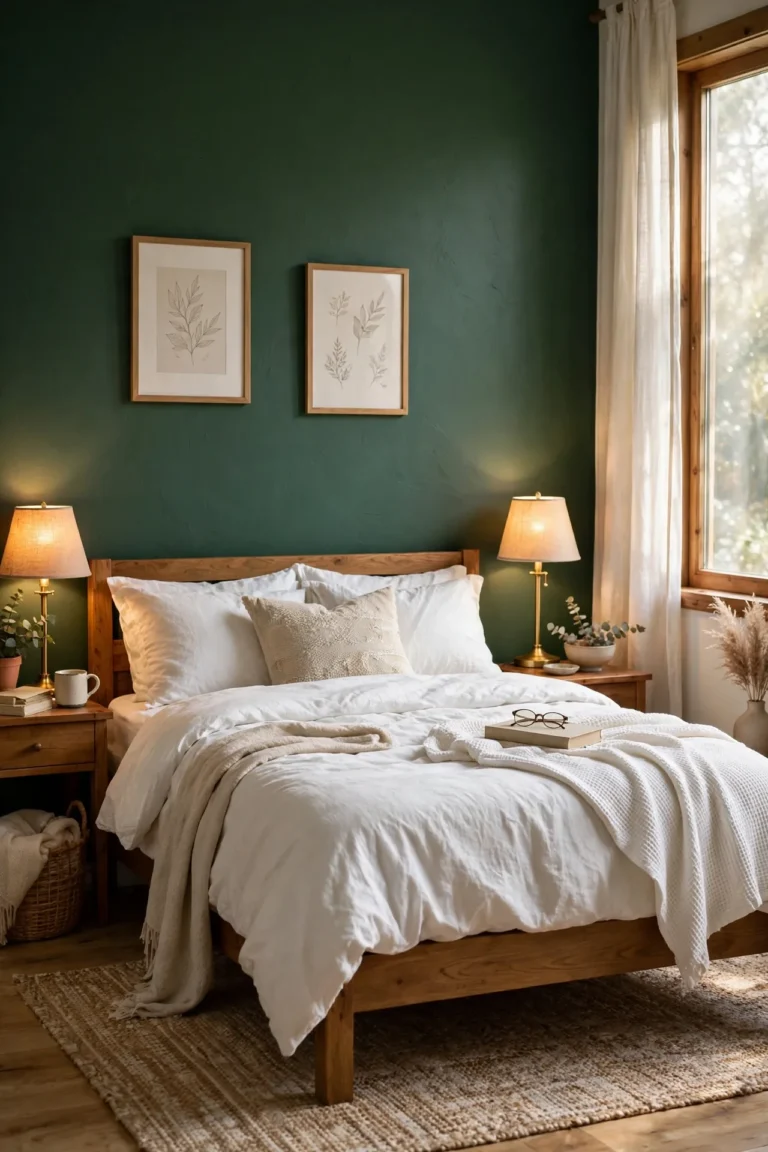
Forest green is deep, moody, romantic: a dramatic edge that pairs beautifully with cream bedding, dark wood, and warm lamplight. It supports velvet, brass, and vintage pieces without messiness. Keep bedding and curtains lighter so the room doesn’t go too dark, and add one or two luxe textures — velvet cushions, a quilted throw. Elegant, quiet, intimate, especially in the evening.
20. Clay Pink Earthiness

Clay pink has more depth than blush: warm, relaxed, slightly sun-washed. It brings color without loudness and personality without sweetness. Style with linen curtains, ceramic lamps, woven stools, and a muted rug with rust or tan details. It also pairs beautifully with black accents for contrast. Ideal for people who want warmth and color while keeping the bedroom calm.
21. Monochrome Gray Layers
Monochrome gray works when texture does the talking: soft gray walls, medium gray bedding, darker charcoal accents in a smooth gradient. Without texture gray goes flat; with it, gray becomes rich and restful. Mix brushed cotton, boucle, velvet, and wool so each shade has a different surface quality. A warm bulb stops the palette from feeling cold. Clean, controlled, easy to maintain.
22. Mint Green Refresh
Mint green gives instant freshness: lighter and more playful than sage, yet soft enough for rest. It works beautifully with white bedding, pale furniture, and small botanical touches — younger, brighter, more open. Use mint as the main wall color and keep the rest calm: white curtains, simple bedding, one or two natural wood pieces, a plant or two to echo the freshness.
23. Plum and Cream Elegance
Muted plum brings richness without the heaviness of dark purple: a warm, refined backdrop that’s a little dramatic but calm enough for sleep. Styled with cream bedding and dark wood furniture, it feels polished and inviting. Keep styling soft and edited — cream, beige, or dusty rose through bedding and curtains, with warm metallics (brass, muted gold) to lift the palette. Special, without needing many extras.
Bedroom Color FAQs
What is the most relaxing color for a bedroom? Soft blues, muted greens, and warm neutrals top the list — they lower visual stimulation and feel restful. Sage green, dusty blue, greige, and warm beige are consistently calming. Avoid very bright or saturated colors on large surfaces; use them as accents instead.
Should bedroom walls be light or dark? Both work — it depends on the mood you want and your light. Light colors make small rooms feel bigger and brighter; dark colors (navy, forest green, mocha) create cozy, intimate cocoons, especially in rooms with good light. Sample both in your actual room before deciding.
How do I choose a bedroom color that goes with my furniture? Match undertones: warm woods (walnut, cherry) love warm neutrals and muted greens; light woods (oak, pine) suit cool blues, grays, and whites. If your furniture is dark, lighter walls create balance; if furniture is light, you can go deeper on the walls. Sherwin-Williams’s pairing guides cover specific wood tones.
Can I use bold colors in a small bedroom? Yes — use them as an accent wall rather than all four walls, and keep the rest light. A navy, teal, or plum accent behind the bed adds drama without shrinking the room. Mirrors and good lighting also counteract the closing-in effect.
How many colors should a bedroom have? Three to four: a dominant wall color, a secondary neutral (bedding or furniture tone), and one or two accents (cushions, art, decor). More than that and the room starts to feel busy instead of restful.
Make It Yours
The right color makes your bedroom feel like it was designed around you — because it was. Start with the mood, sample the shade, then build texture and light around it. Save this post on Pinterest for your color refresh, and share it with someone staring at blank white walls.